From “Take a Class, Then Leave” to a World Worth Coming Back To
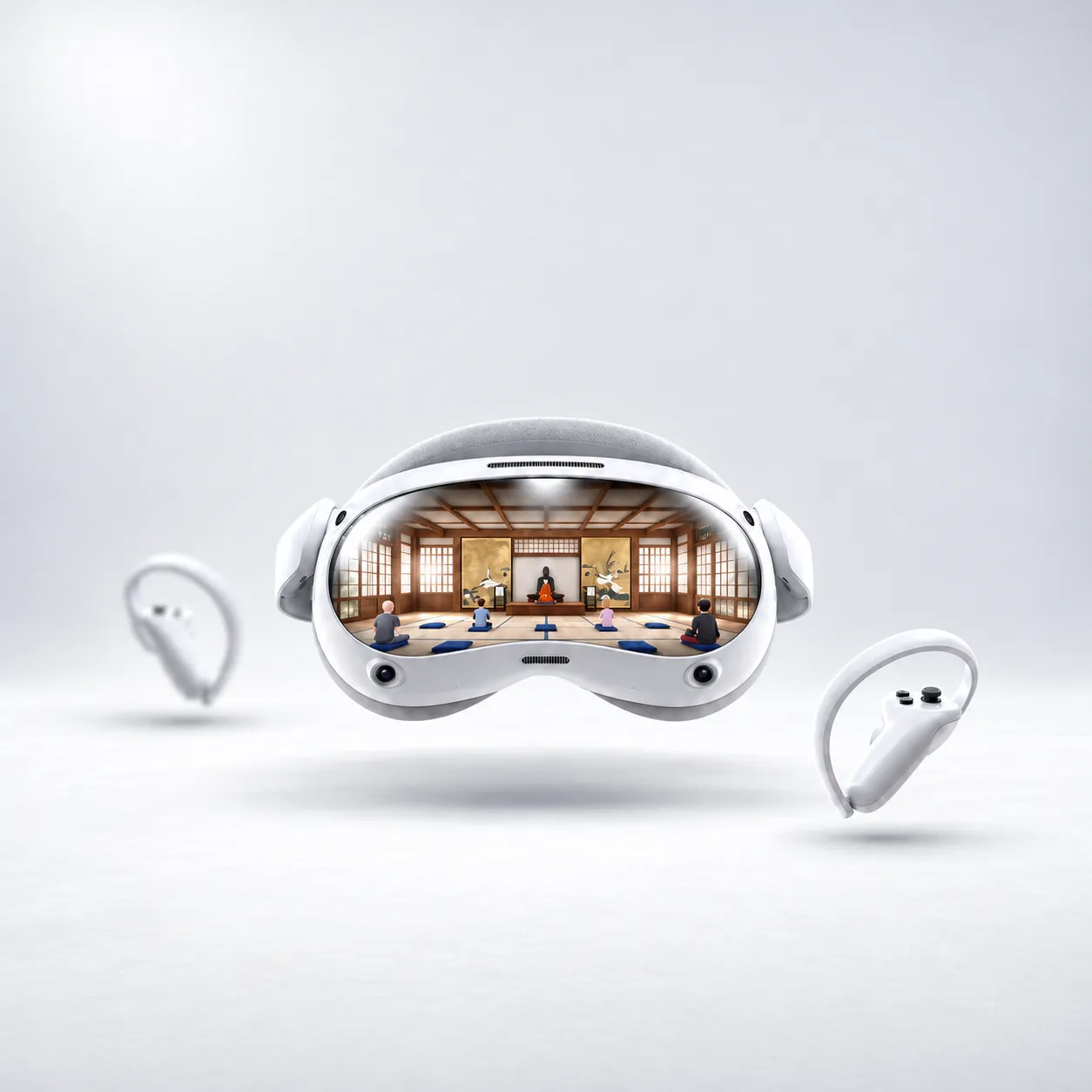
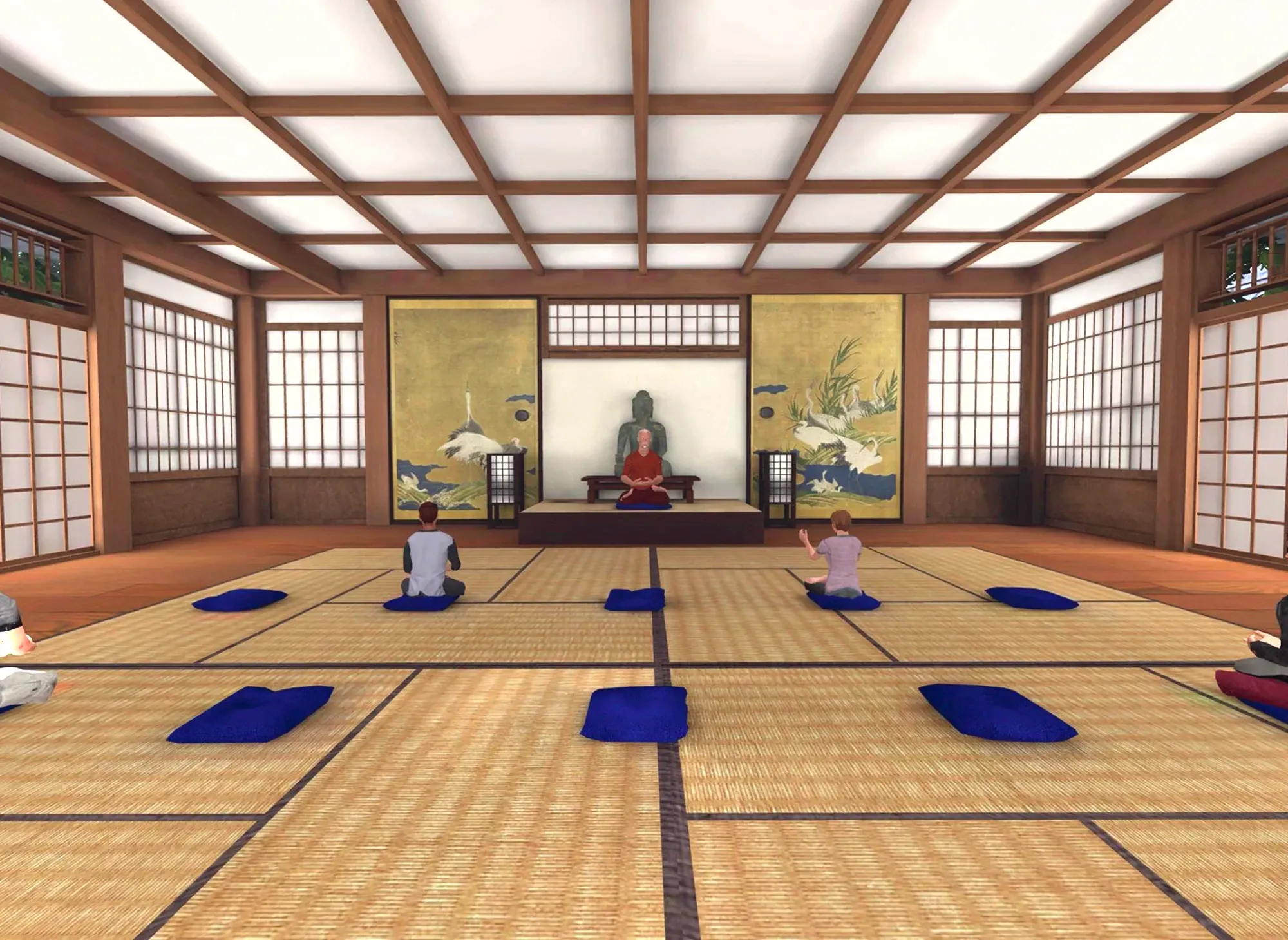
ZenVR teaches meditation in virtual reality, through a series of lessons led by a virtual teacher, Kai. People came for the lessons and left when they ended, and some didn’t make it that far. The goal was to keep them coming back. The usual answer is a progression system, but meditation is the one place where points, streaks and badges can break the very calm you’re offering. The challenge was to make growth feel like part of the practice, rather than a game laid on top of it.
Impact
Designed the concept that won 100% user interest
I proposed and designed a novel idea called Backpack. All participating ZenVR users rated it 5 out of 5 for how much they would want to use it.
Uncovered an overlooked persona
I identified a group of meditators I named the “Fixers”, which helped steer our research direction.
Rehired to join the team
The CEO and the development team praised the work highly, and the CEO brought me back to keep building it with them.
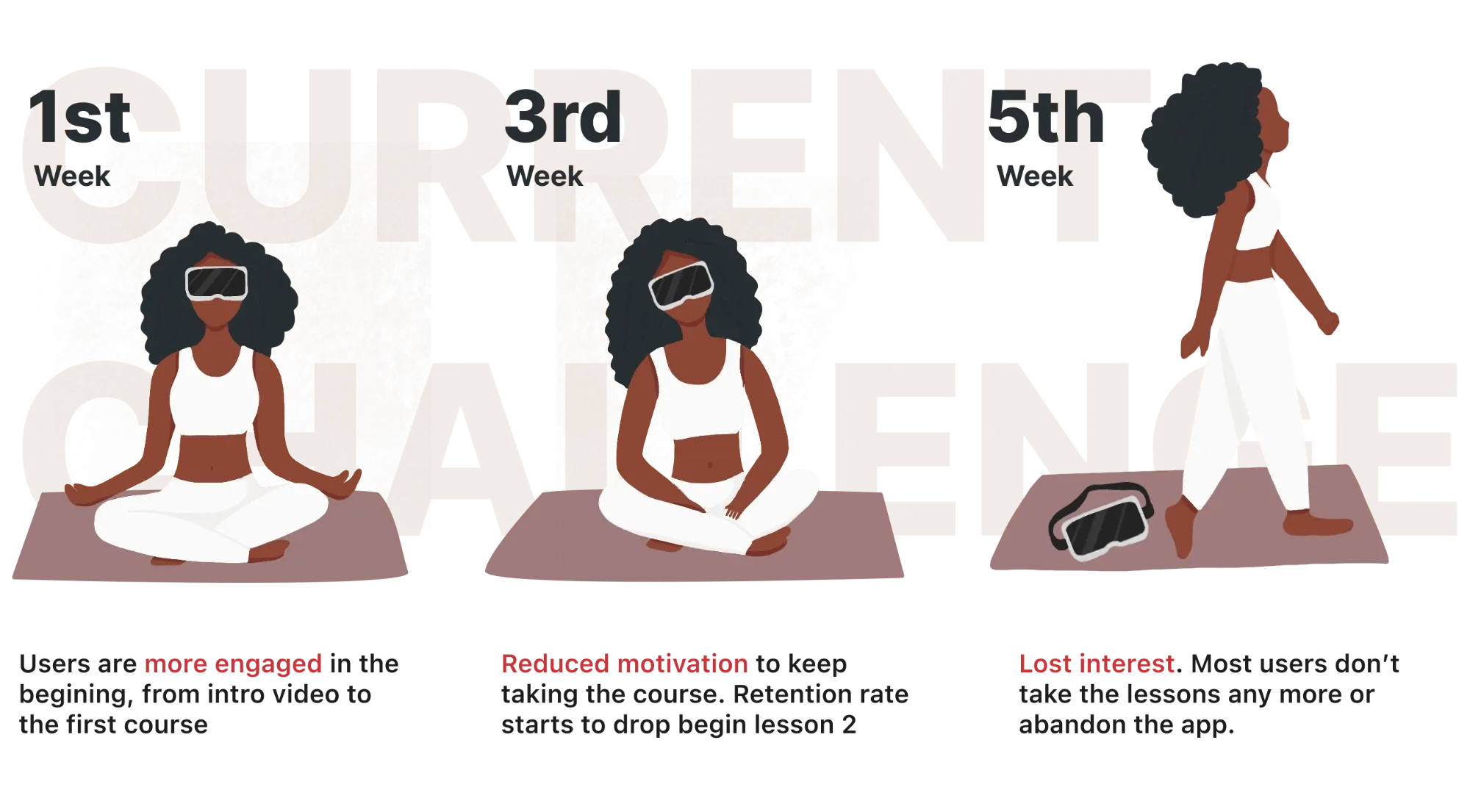
People started losing interest…
ZenVR has two modes: learning and practice. In learning mode, users take the core lessons in order. ZenVR wanted a progression system that would give them a sense of accomplishment as they went, and a reason to stay once the lessons were done.
What is progression? What is meditation?
Observation
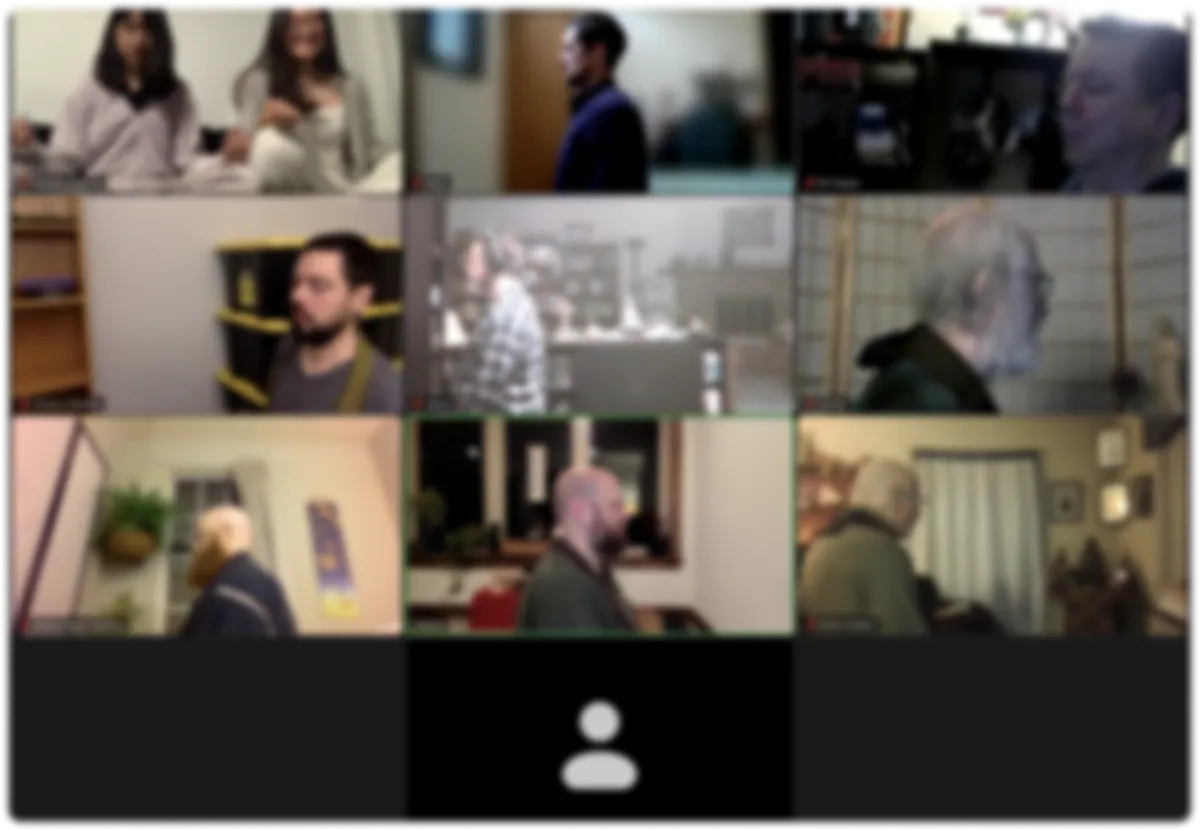
We did 2 onsite observations with the GT meditation club and 1 observation of an online meditation session. We wanted a more immersive, personal meditation experience to put ourselves in the shoes of meditators and build stronger empathy with them.
Key Takeaways
- The meditation community reinforces everyone’s participation.
- People begin meditating for a reason: they believe meditation makes them better.
- Meditators share their feelings in the group and give each other feedback.
- People keep a journal after each session as a way of tracking their progress.
Literature Review
We came to the project without a systematic understanding of a user progression system. Desk research on the topic helped us better identify higher-level factors to consider. This can serve as a design guideline for us in the future.
A user progression system is
“The breakdown of steps in the sequence and establishing each step effectively to help the user move forward.”
Octalysis framework
Yu-Kai Chou identified 8 core drives of gamification in his study. The radar chart was created based on my initial analysis of each segment and its relatedness to the nature of meditation. One principle we needed to keep in mind: we need gamification, but we don’t want it so over-gamified that it breaks the vibe of meditation.
Comparative & Competitive analysis
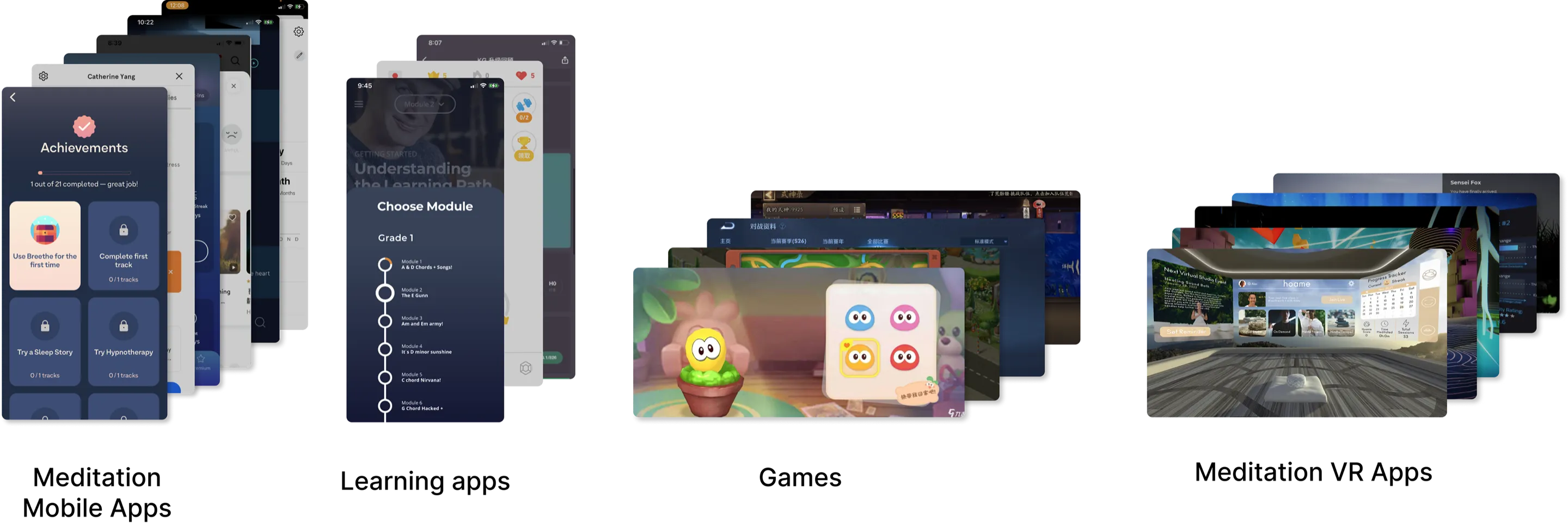
Beyond theoretical understanding, we also wanted to learn how existing products incorporate those factors and explore the different forms user progression elements can take. We did 22+ case studies, including alternative apps, direct competitors, learning apps, and games.
Immersive Case study: Maloka
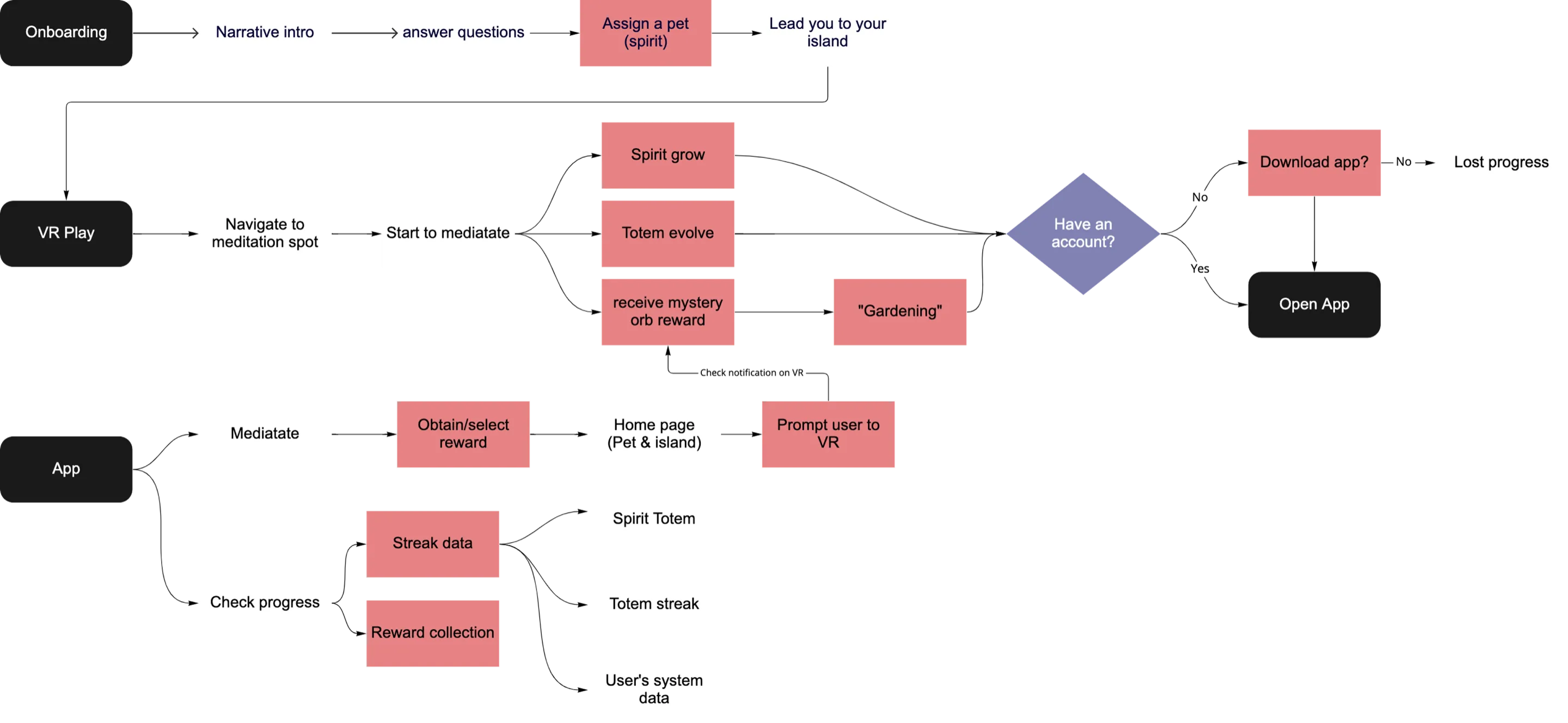
Maloka is one of ZenVR’s direct competitors, so I spent several days using the product to sense its progression and recorded the entire user flow. I highlighted the steps relevant to user progression in red for future analysis.
Key Takeaways
Unpredictability makes players want to find out what happens next. It brings unexpected excitement to a gamified system.
- Timely events
- Reward
Ownership drives progression. When players feel ownership, they want to make what they own better, and to own more.
- Nurturing
- Collection
Development and accomplishment are the inner drive to make progress, develop skills and overcome challenges.
- Higher level
- Step-by-step
Progression can be motivated in a multi-person environment.
- Community
- Competitiveness
Progression needs an embodiment. The system needs to visualize users’ progression or give them feedback.
- Real-time reflection
- Personal data
- System usage data
Companion products for a VR application, such as mobile or web apps, can make the system more accessible.
- Mobile apps
- Web-based app
A hidden persona began to emerge
We conducted 15 interviews with meditation practitioners from the GT meditation club and ZenVR users, with a separate set of questions for each group.
“Jobs to be Done” Framework
Surprisingly, based on the first part of the qualitative data, we realized that the user progression system is not based on user needs, but is a mechanism that drives user retention. Although the synthesized results were beyond the scope of designing a user progression system, they are still of great value for ZenVR’s future research focus and open up more insightful design space for improving user retention.
ZenVR
When I am in the ZenVR system, I want more choice and control over the meditation space and mode, so that I can better enter a mindful state to practise meditation.
Both
When I feel stressed in a life moment, I want a way of quickly calming down, so that I have more control of my mind to deal with the issue.
When I practise meditation, I want access to the facilitator or a meditation expert, so that I can make sure I’m on the right track and share my thoughts with them when needed.
When I practise meditation, I want some connection with fellow meditators, so that I feel supported and can exchange my feelings and concerns with them.
When I practise meditation, I want to cultivate a habit and apply it to my everyday life, so that I can be more resilient, ease my mind, and be more focused throughout the day.
Meditation practitioner
When I use a meditation system, I want a variety of content, so that I can learn different meditations and get a refresher when needed.
When I practise meditation, I want to track my long-term progress rather than the short term, so that I focus on my overall improvement, not the benefit of one session.
When I finish a meditation session, I want to reflect on my feelings, so that I am more aware of the moment and reinforce my practice.
User personas
I explored three mini user personas for meditators based on the interview data: “Learners,” “Fixers,” and “Hybrid.” Currently, “Learners” are the primary users of ZenVR because the product focuses on cultivating the learning experience. However, it ignores the needs of users who want to calm down quickly through a short meditation session. Even though ZenVR has a practice mode, most users didn’t even know it existed.
Learner
People who meditate to learn the meaning and context of meditation

Core needs
- Cultivate a habit of meditation and apply it to daily life
- An academic meditation experience for enlightenment
Fixer
People who meditate to deal with life’s random stresses, and feel strong for today
Core needs
- A quick moment of calm
- A visually pleasing, comforting environment
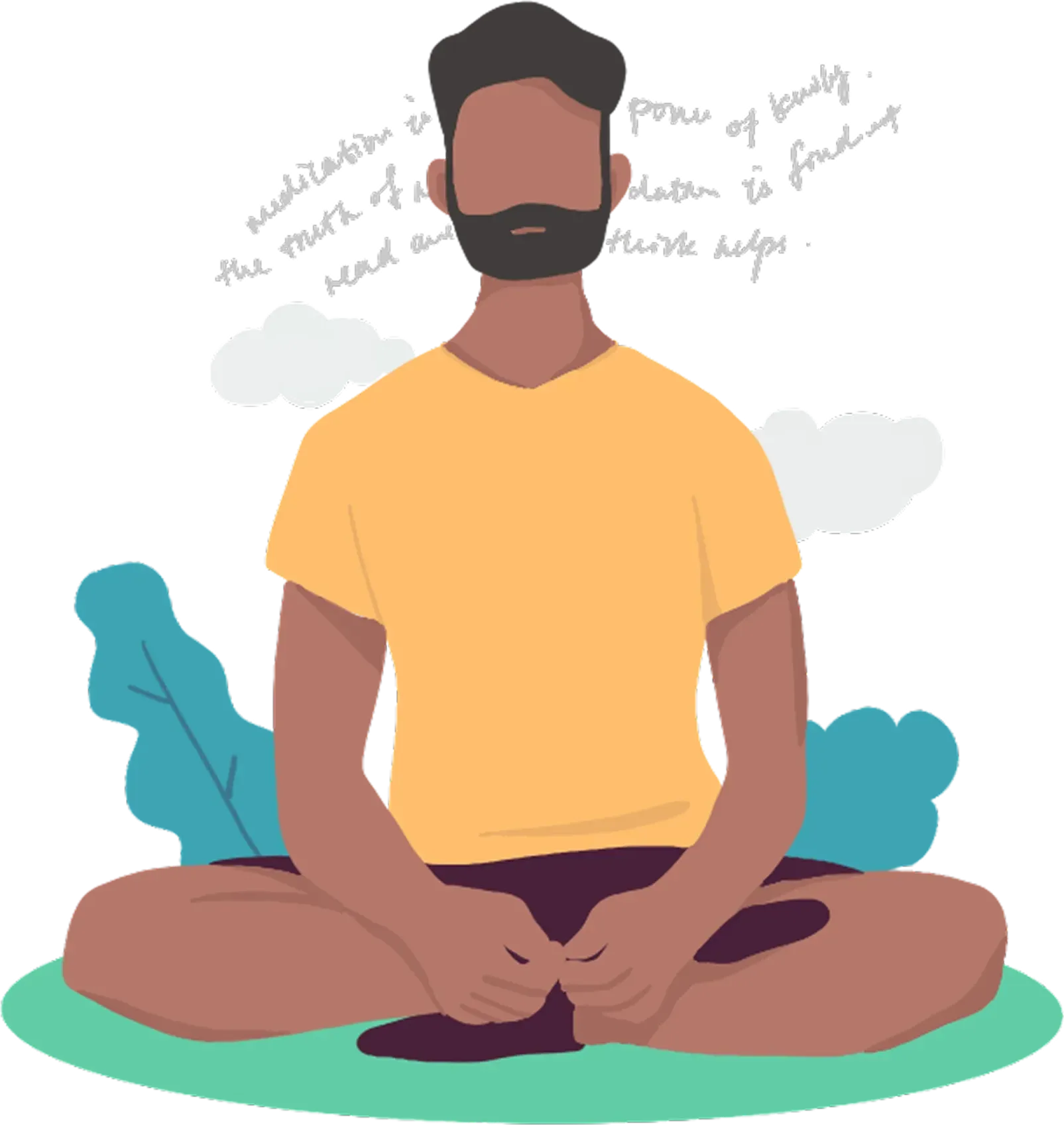
Hybrid
People who are both a fixer and a learner
Core needs
- A variety of meditation content, which can be themed
- A flexible session, or a calming moment without learning
Progress that unfolds as naturally as meditation
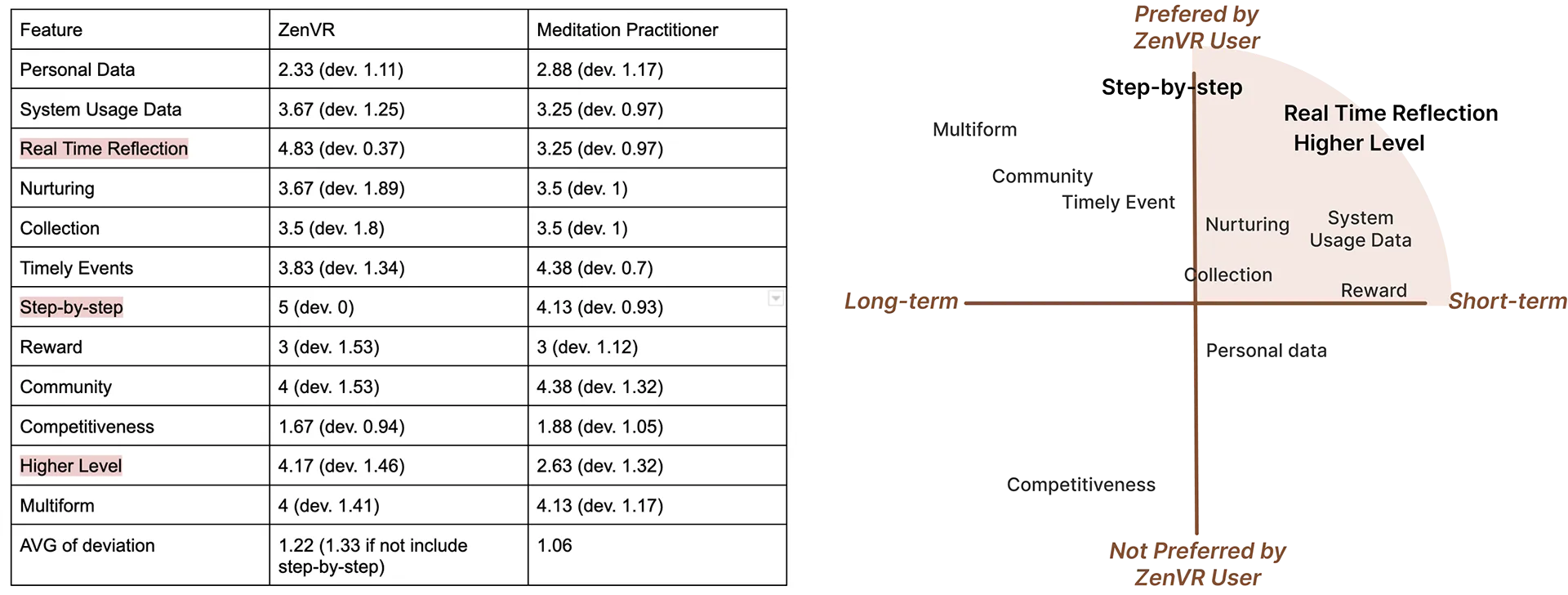
To gain a statistical perspective on users’ preferences for user progression features, we listed 12 main features derived from the earlier comparative analysis and asked participants to rate them at the end of the interview. We separated the data into ZenVR users and meditation practitioners for easy comparison by calculating the average and deviation.
Survey data analysis
We calculated the average score for each UPS feature rated by ZenVR users and meditation practitioners (see the table below). The top 3 features that stand out are real-time reflection, step-by-step learning, and higher levels. We also combined people’s interpretations of the scores for each feature and cross-analyzed the reasons for the deviation between the data and its authenticity. Eventually, we derived our design implications from the scores and qualitative feedback.
The metrics of the quadrant chart were based on ZenVR users’ preferences and estimated development time. It helped us to prioritize the design features.
Design Principles
- Visualize progressionThe form of reflection should resonate with the vibe of meditation: organic, and tied to nature.
Reward a new type of Bonsai after unlocking certain classes
- Celebrating + RewardingThe system should acknowledge users for their efforts and achievements in meditation.
Reaching a higher level makes me feel a sense of achievement
- CustomizationThe system should let users personalize and customize their meditation environment.
I want to have my own Zen area for meditation where I can decorate it by receiving rewards
Scope what truly makes users want to meditate in ZenVR
- Easy to start and end a short meditation session
- Customize the meditation environment and props
- Periodic rewards, level-ups, collections
- Visualize users’ own data, e.g. time online, logins
- Cultivate a personal space
- Listen to audiobooks and Zen quotes
- Customize the meditation environment and propsAlso above
- Create a collective meditation space
- A player hub
How might we give Learners a reason to keep going, and Fixers a reason to come back, in a way that feels like meditation itself?
Moments to free the mind
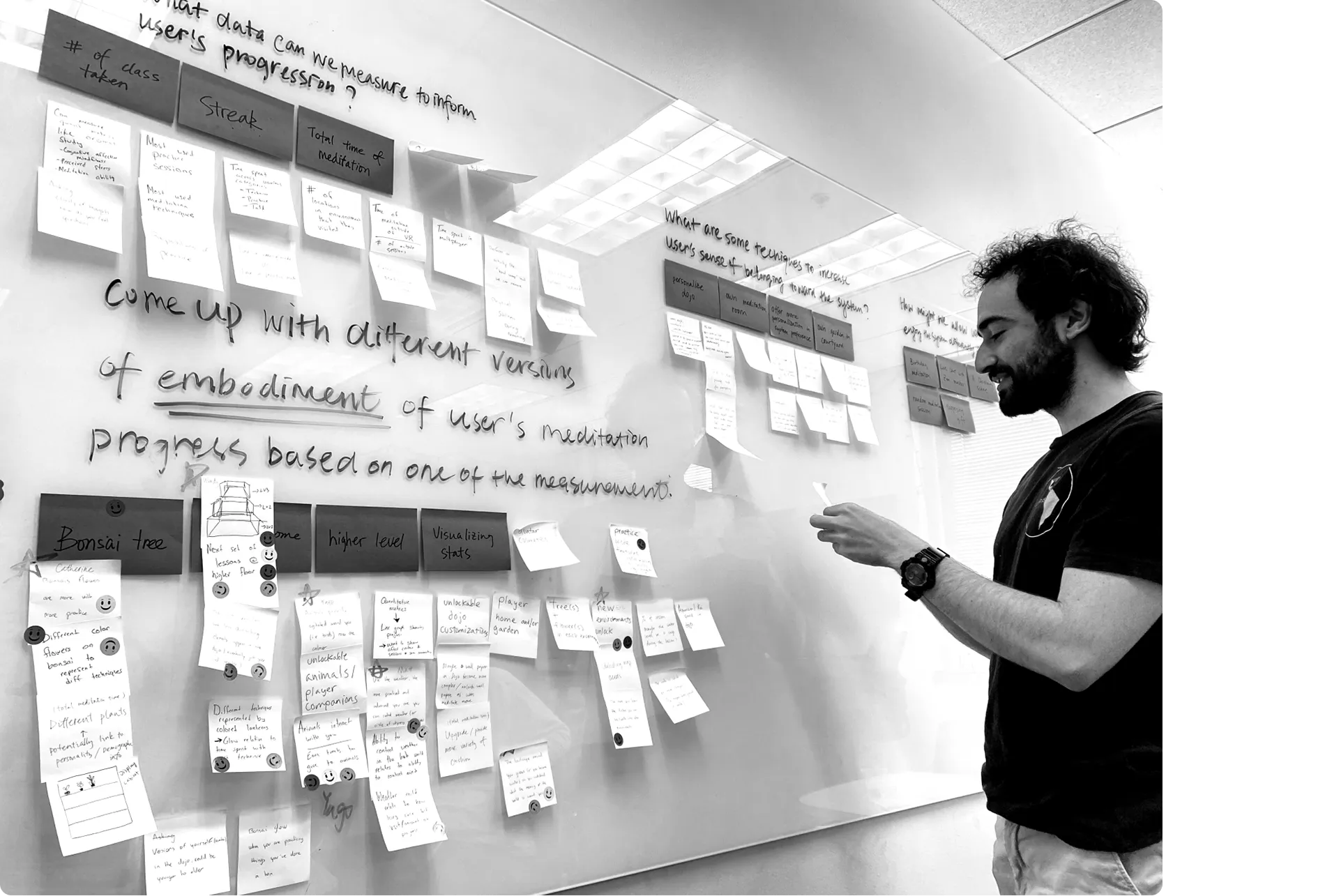
Voting, Integrating, Sketching
To come up with a feasible and cohesive design concept, we invited our stakeholders to brainstorm with us and provide technical and marketing feedback.
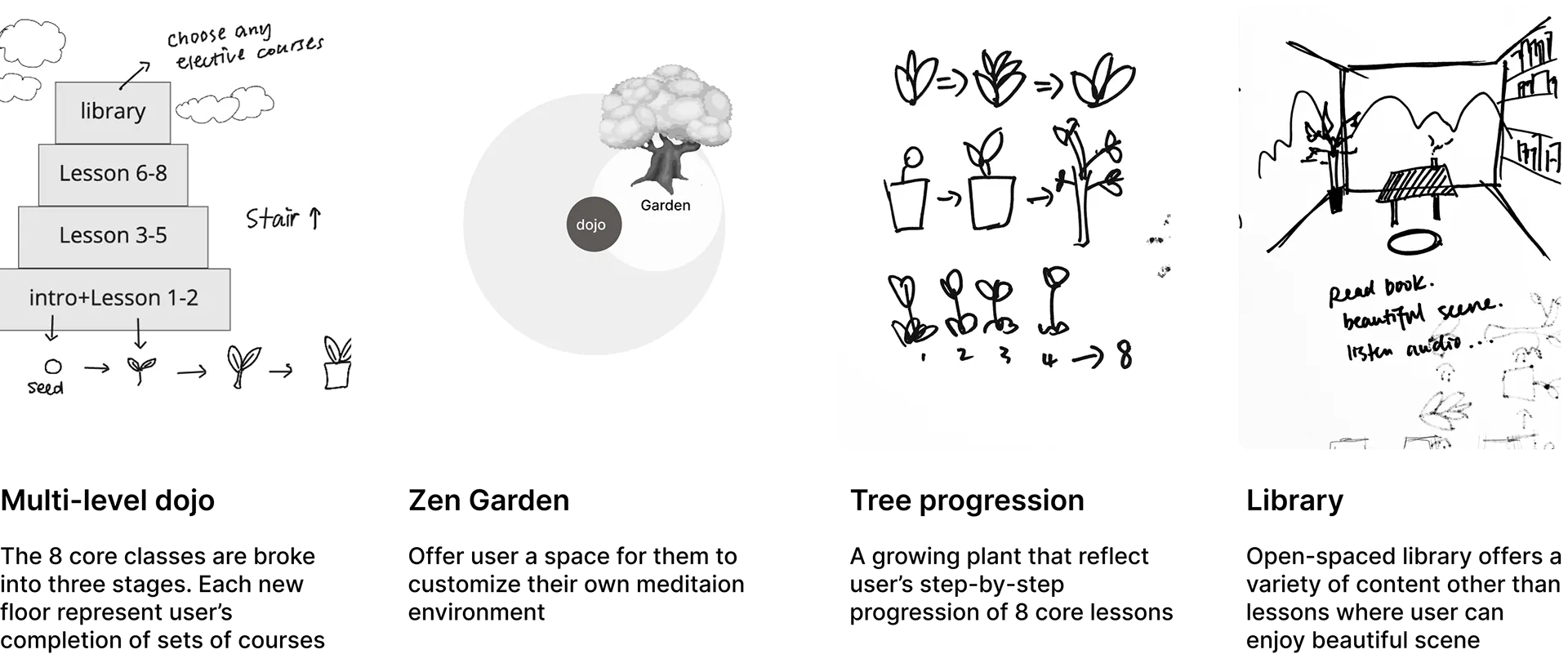
4 selected design features
Forming a cohesive concept
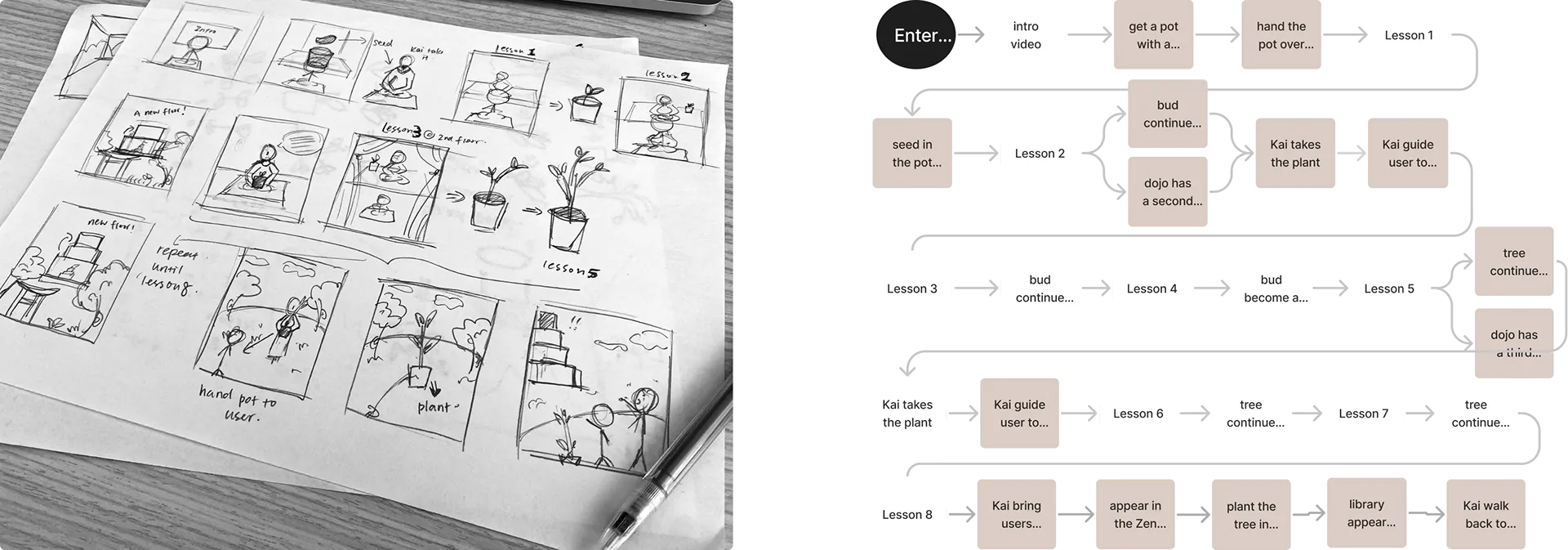
I integrated these features into the current ZenVR experience and drew the storyboard to sort out the user journey. The newly added moments generated by those features are incorporated into the current user flow and highlighted.
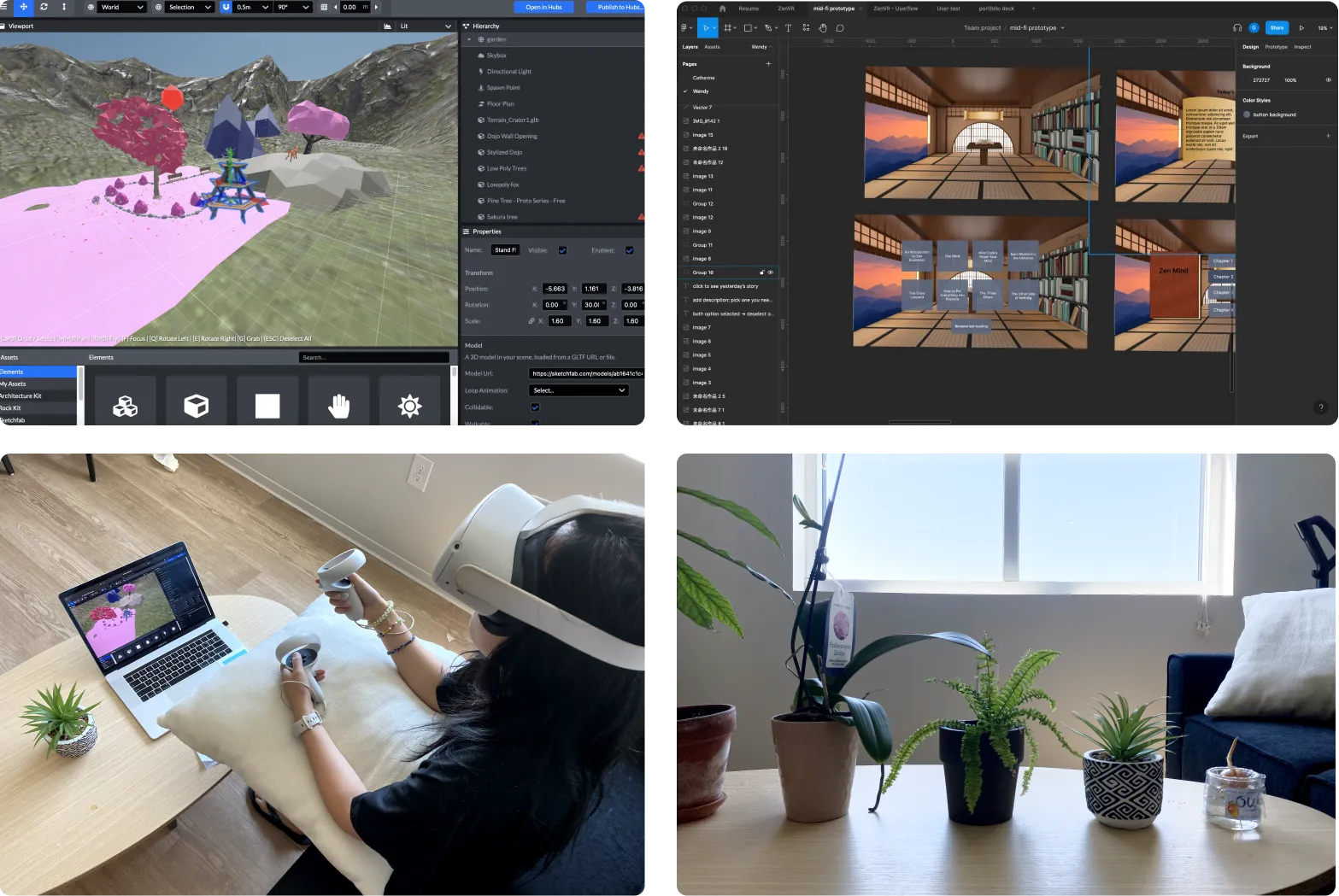
A mixed-reality, playful testing experience with users
Test Round 1
VR, Figma, Roleplay, Storytelling, Probe, Mozilla Hubs…
We recruited 5 potential users to test the concept flow. We asked participants to use the ZenVR product before the test. We used role-playing combined with narrative to present a new story to users and used other materials to facilitate the storytelling.
I created a mockup of a Zen Garden in Mozilla Hubs, a web-based private 3D virtual space where users can freely navigate and get a better sense of what a Zen garden can look like. I also borrowed some real bonsais to represent tree growth. I created an interactive prototype in Figma for the library feature. I played the role of Kai (a virtual teacher in ZenVR) and guided participants through the whole journey with voice and role-play.
Insights from test round 1
- Participants like to be close to the natural environment, and the current designs don’t make the most of ZenVR’s lush, freely explorable world.
- Participants generally like the library because it gives them something extra to look forward to, but they were concerned about when it is introduced.
- Users’ excitement fades partway through the eight courses, because planting and growing alone isn’t enough incentive.
Concept iteration
Refinement 1: Add more excitement after each course
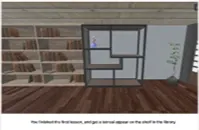
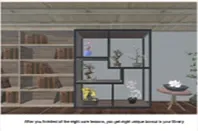
Since it takes about 2 months to complete the core lessons, it takes too long for users to notice the subtle changes in the plant’s growth. We tried breaking one big tree down into different plants. With the “Bonsai on the shelf” feature, users can collect one bonsai after each lesson and store it in the library.
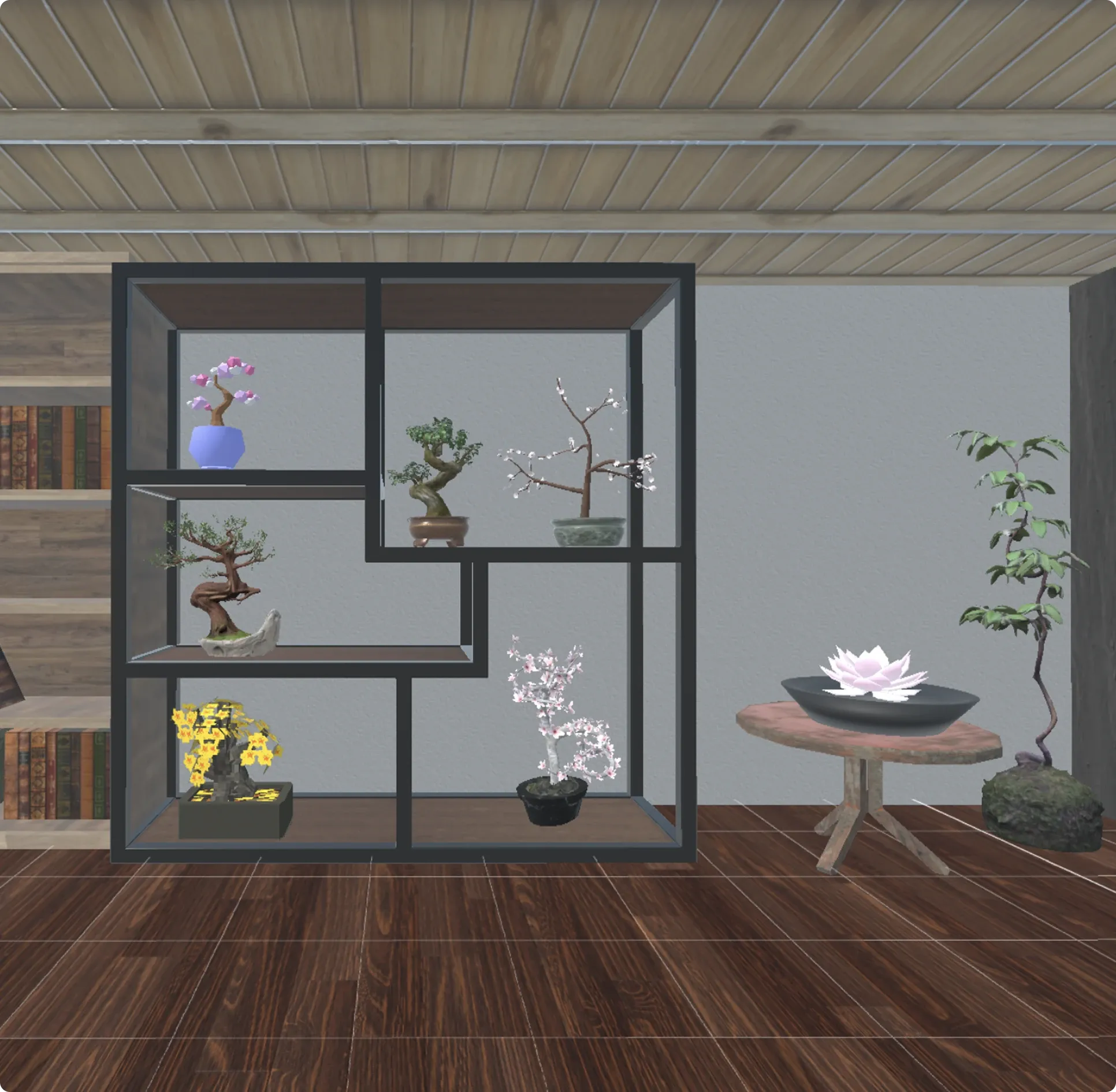
Refinement 2: Leverage ZenVR’s environmental resources
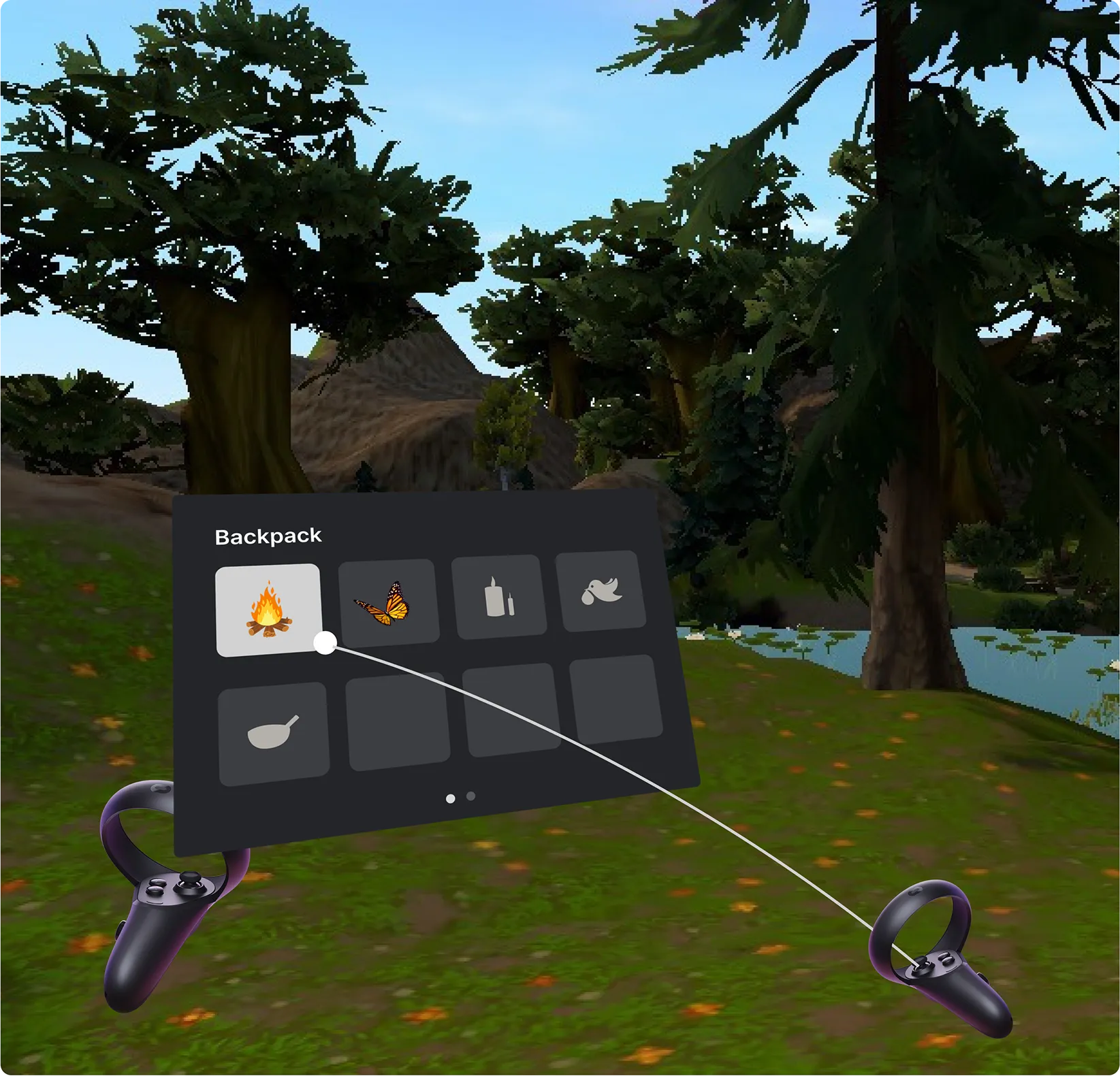
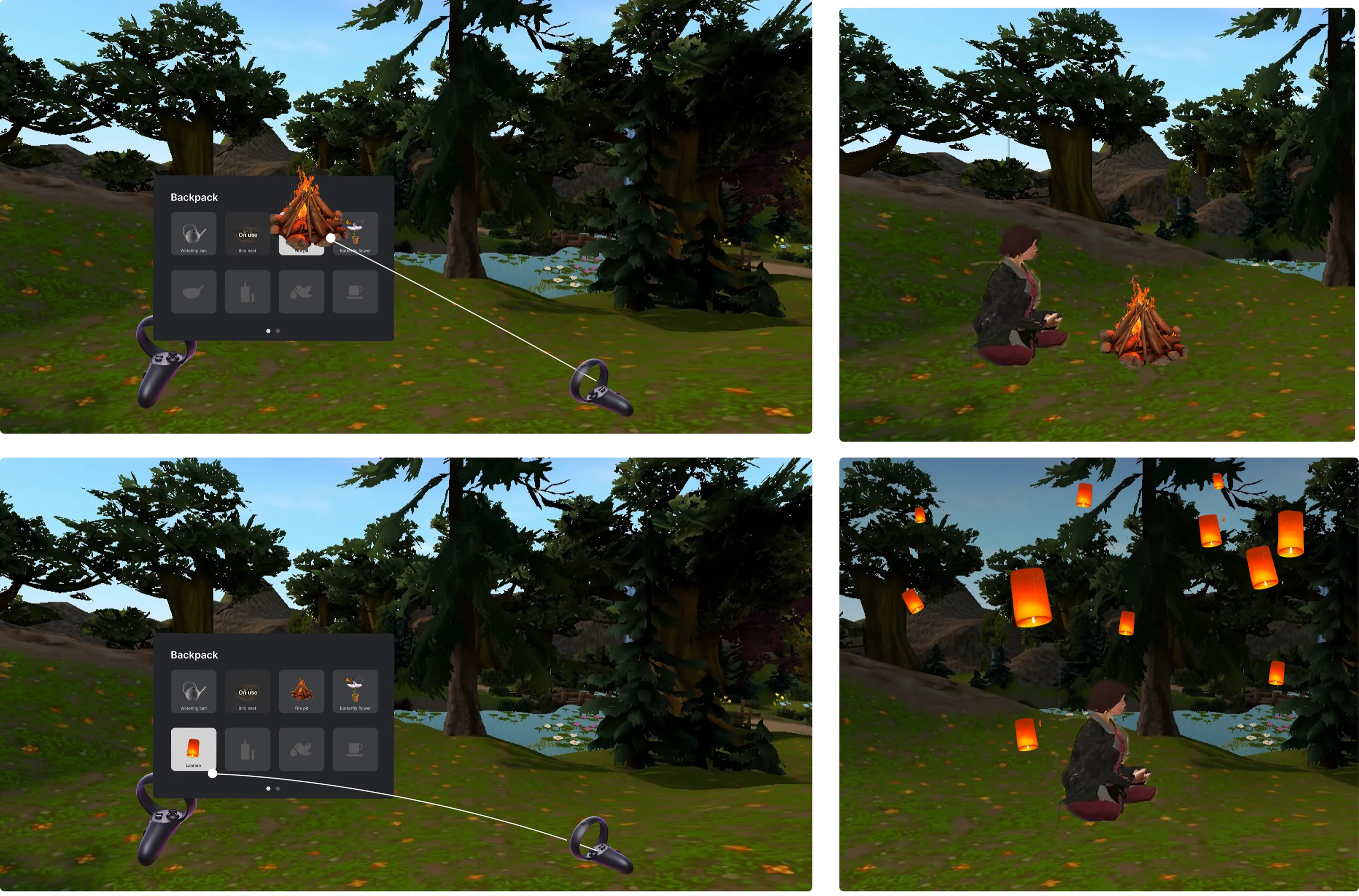
One competitive characteristic of ZenVR is its beautiful natural environment. Immersing yourself in such an environment is a relieving experience. We should encourage users to explore and find a trace of peace. I designed the “Backpack” feature, where users can personalize their own meditation spot anywhere on the map.
Test Round 2
Method 1: Storyboard
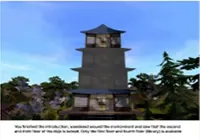
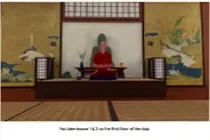
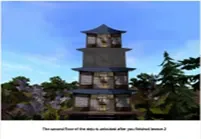
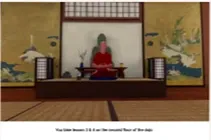
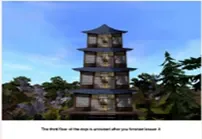
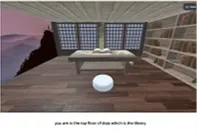
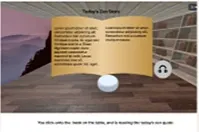
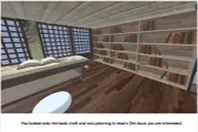
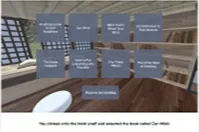
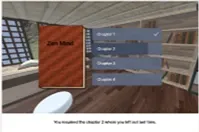
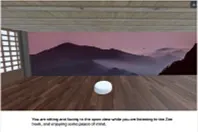
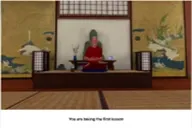
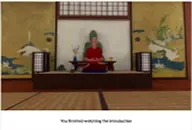
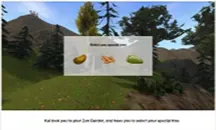
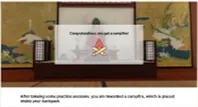
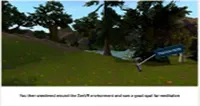
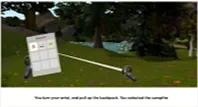
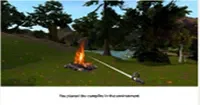
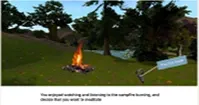
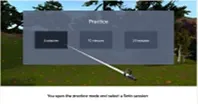
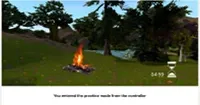
We interviewed 6 ZenVR users remotely in total. Instead of taking the same testing approach as the first round, we tested each idea separately through storyboards. I created 4 of the 5 storyboards, walked users through them frame by frame, and then asked for feedback.

Method 2: Rating scales
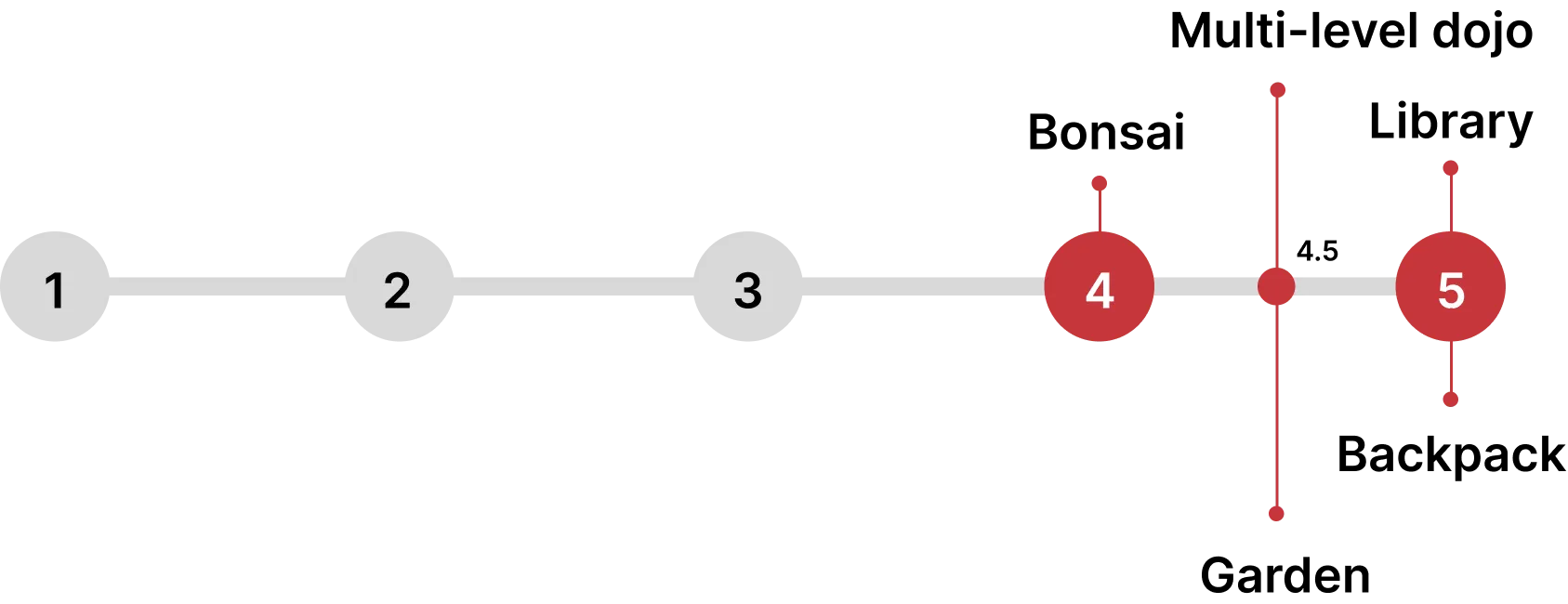
After introducing each idea, we asked participants to rate how much they thought the idea would incentivize them to continue learning and practicing meditation in ZenVR. This gave us more metrics to consider in our decisions.
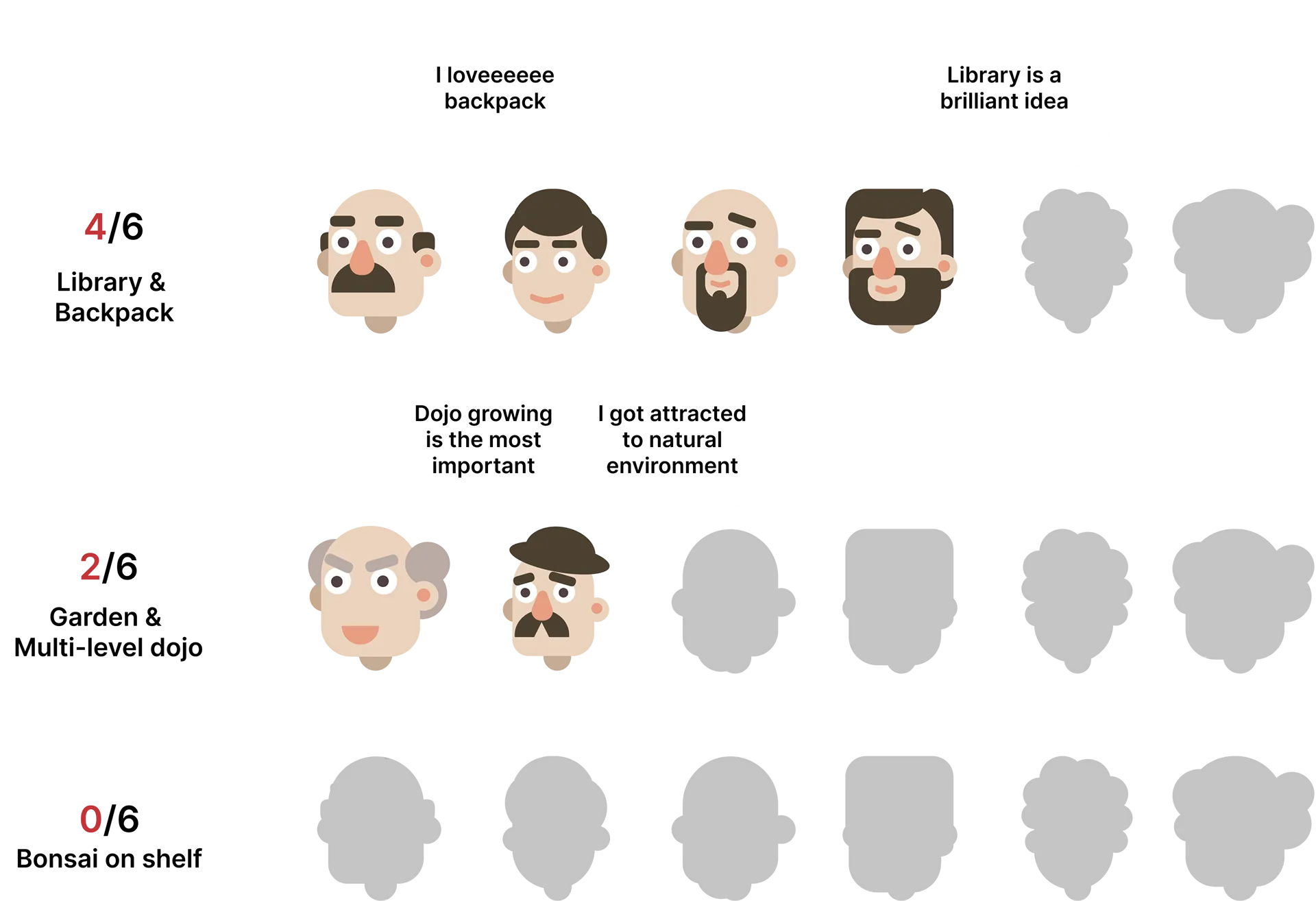
Participants generally thought all of the ideas could motivate them to keep learning meditation to some extent. However, based on the scores, we can see that users especially loved the Library and Backpack concepts.
“On a scale of 1–5, how much do you think this concept will incentivize you to continue learning and practicing meditation in ZenVR?”
Method 3: Prioritizing vote
To help us prioritize which feature to implement first, we asked participants at the end of the interview to vote for the design ideas they would most like to see implemented in ZenVR.
The Library and Backpack concepts each received 4 out of 6 votes, and the Garden and Multi-level dojo concepts each received 2 out of 6 votes, while no one voted for the Bonsai on the shelf concept.
Method 4: Participatory design in dialogue
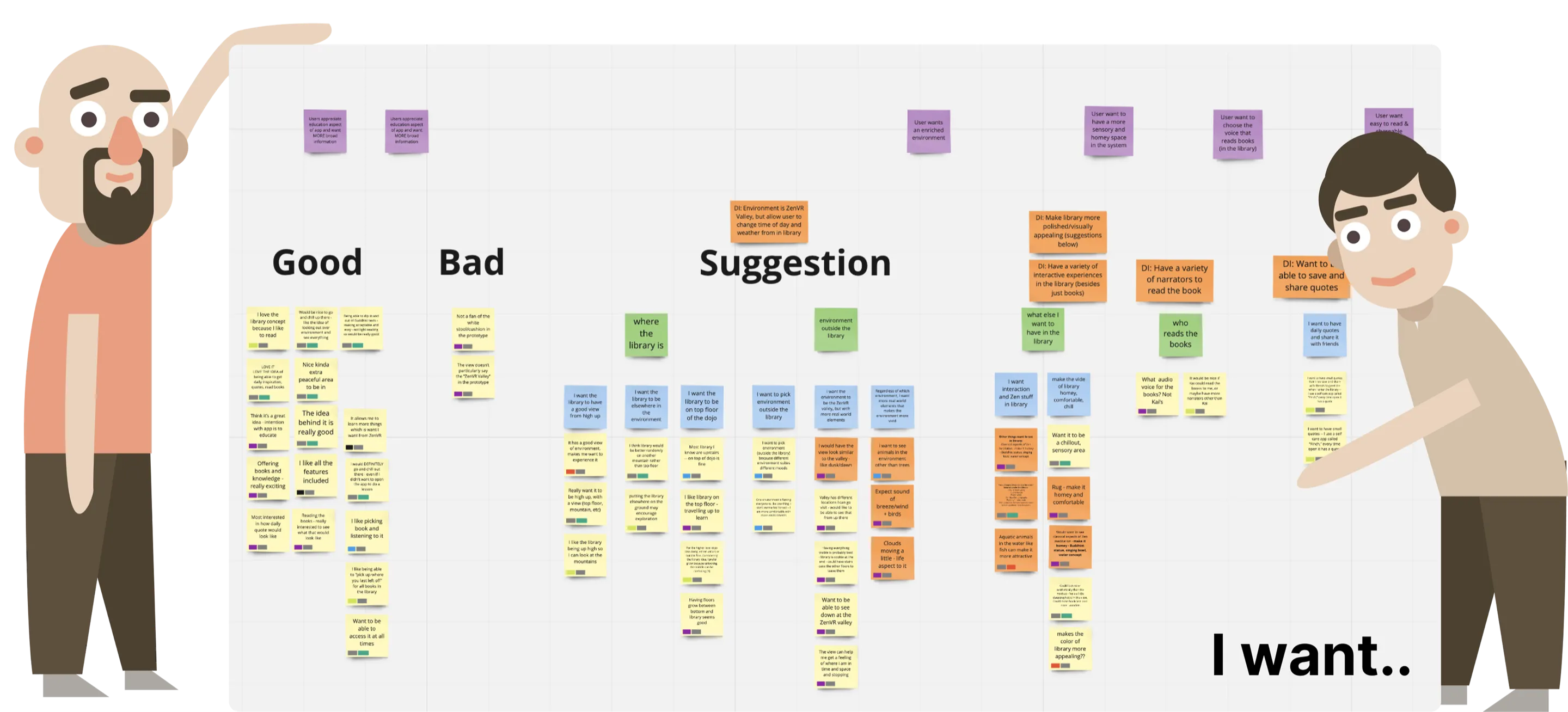
One part of this feedback session focused on designing details. We wanted to hear from users about their ideal ZenVR world, so we invited them to design with us and build more details and interactive elements on top of the concepts. After that, we met with the engineers to discuss the feasibility of the proposed ideas and refine them together.
Insights from test round 2
- Users think an unlockable multi-level dojo pushes them to keep learning, and they expect different decorations on each floor.
- Users appreciate the educational side of the library, and would like its interior to be cozy, homey and chill.
- Users want a better sensory experience, visual or auditory, and more interactivity.
- Users don’t resonate strongly with the Bonsai Tree idea, and worry it could feel over-rewarded or cluttered.
From “take a class, then leave” to a valley worth coming back to
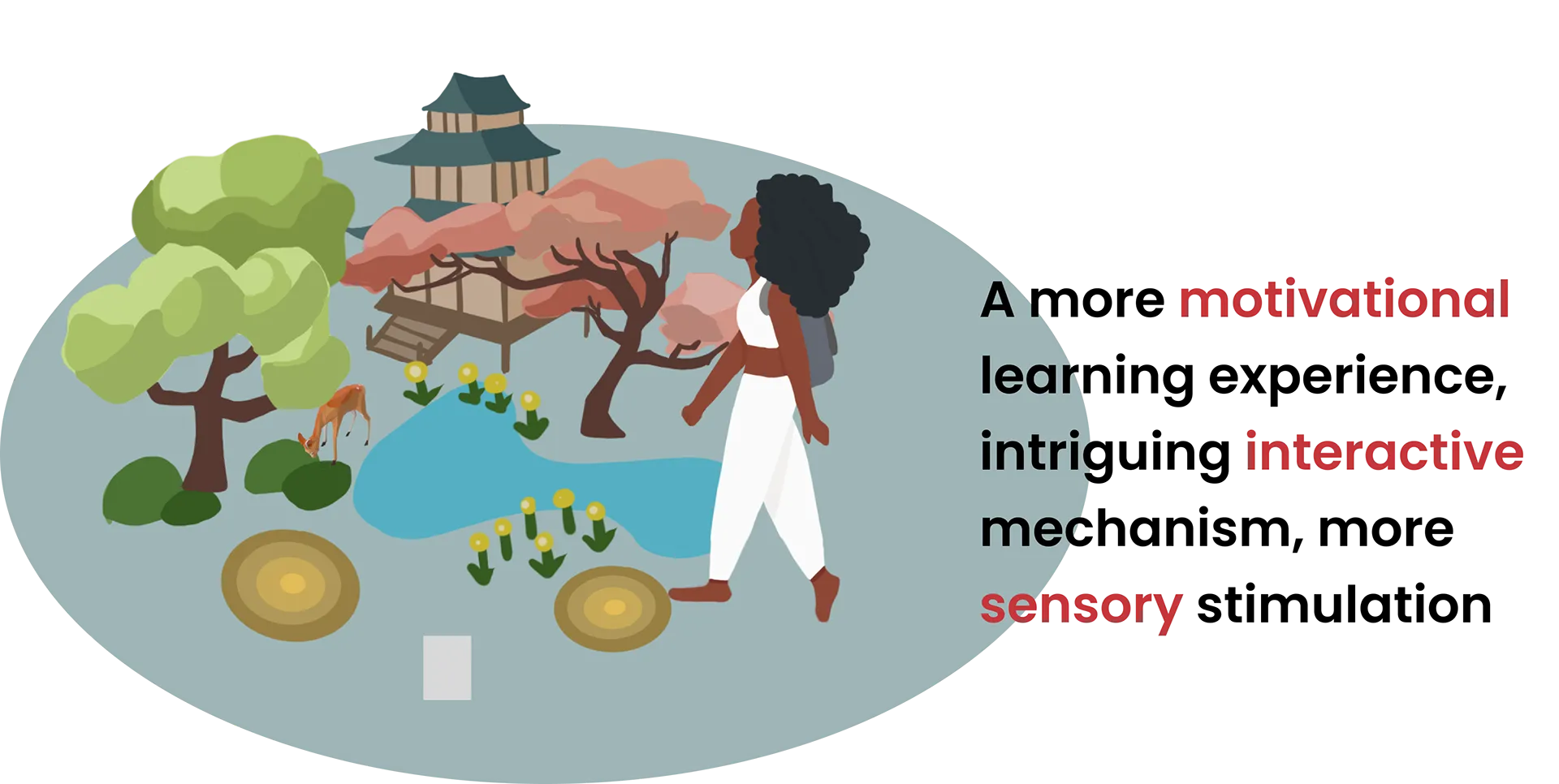
This is a systematic design that integrates user progression elements such as leveling up, cultivation, collection, and step-by-step learning. It transforms the original monotonous “take a class, then leave” learning mode into a diverse, highly interactive, and engaging exploratory learning experience. The multi-level dojo and the garden give Learners a path to follow, while the backpack and the library give Fixers a quick moment of calm, wherever they are in Zen Valley.
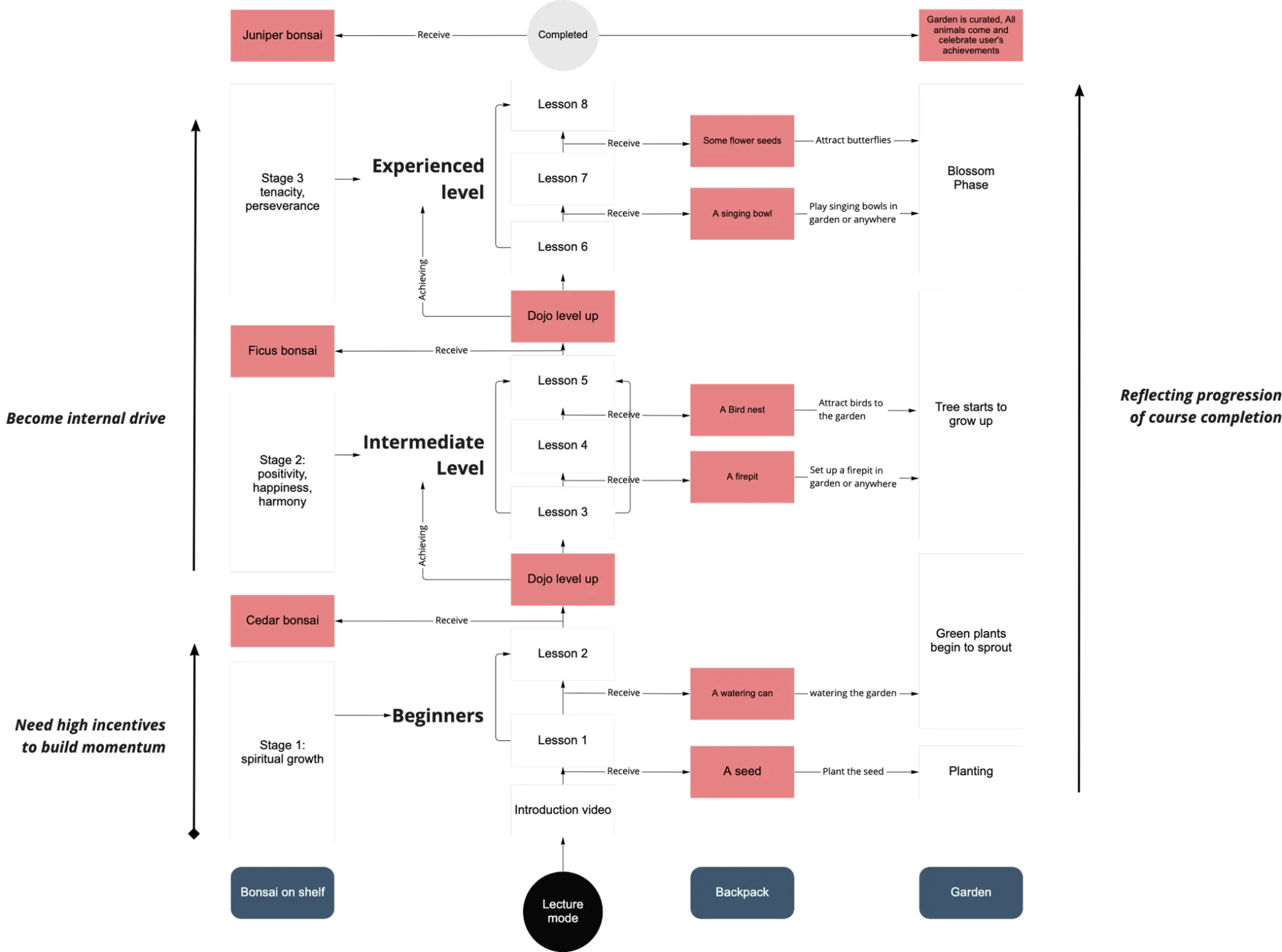
User Progression System Architecture
You are a meditating traveler.
Each player has a backpack that stores the props they earn by taking courses, which let them meditate in an entertaining way. With this backpack, players can use props to relax and heal anywhere they like in Zen Valley.
You are a cultivator.
In Zen Valley, each meditator has their own piece of land and nurtures it by continuously acquiring knowledge, so the land can grow and become prosperous.
You are a practitioner.
Players can take courses in the dojo, listen to books in the library, and meditate in Zen Valley. The newly designed system creates different practice environments for meditators. A higher dojo floor indicates a higher level of self-cultivation, progressing from novice to experienced meditator.
High-level dojo
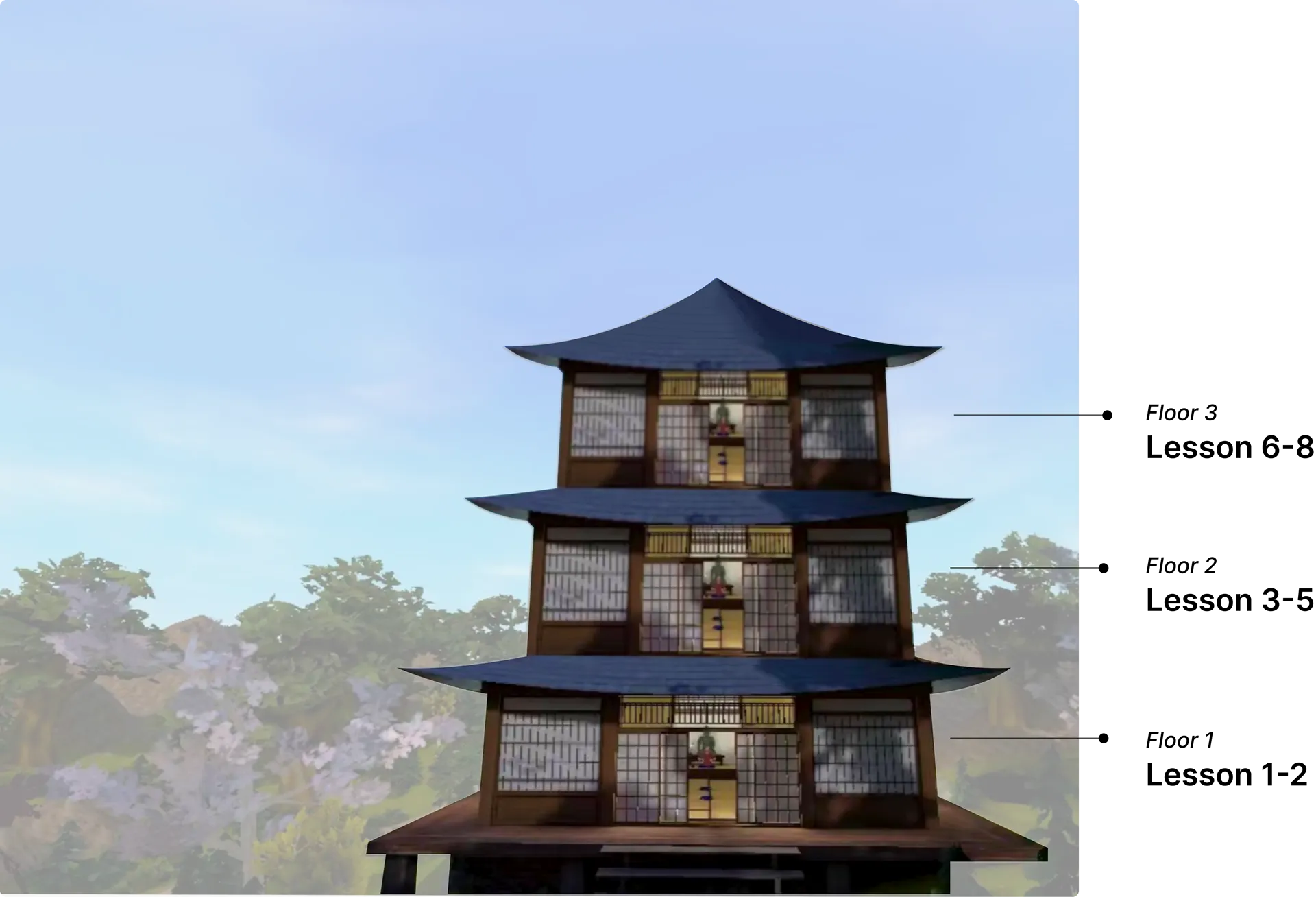
The dojo in the center of Zen Valley was expanded from one floor to three. Each floor is a new classroom. A total of eight lessons are divided into three course sets, representing the three stages of meditation. Users can only enter the next floor after completing a stage of the course.
1st floor: The first floor is also the base of the building, which means that to become an experienced meditator, you need to learn basic meditation concepts and build a solid foundation. Kai (a virtual teacher in ZenVR) will teach the first and second lessons on this floor.
2nd floor: Ascending to Level 2 indicates that the meditator has entered the intermediate stage, where users can learn more in-depth meditation techniques. Kai will teach the third to fifth lessons on this floor.
3rd floor: Reaching the top floor of the dojo indicates that users have gradually become experienced meditators. Kai will teach the sixth to eighth lessons on this floor. Because the classroom is at the top, users can see a more beautiful and wider view, which symbolizes the wider range of knowledge they have gained through continuous learning.
Library
The library is one of users’ favorite features. It provides more avenues for learning beyond courses. Users hope to make it a quiet, cozy, and harmonious space.
Open, beautiful scenery
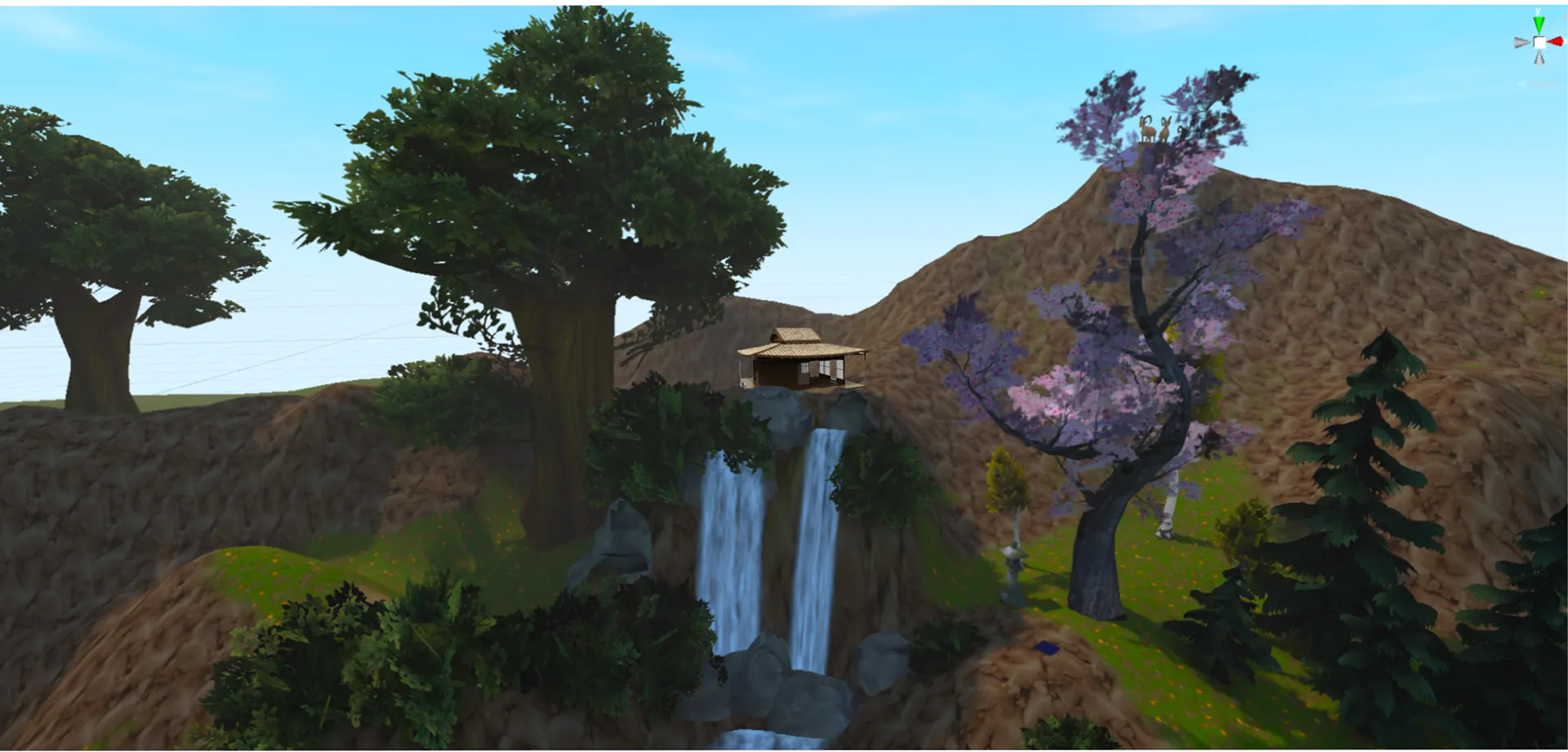
The library is located on top of the mountain, with a waterfall beneath it. Users can listen to the sounds of nature and enjoy the beauty of the mountain views.
Audio-based content
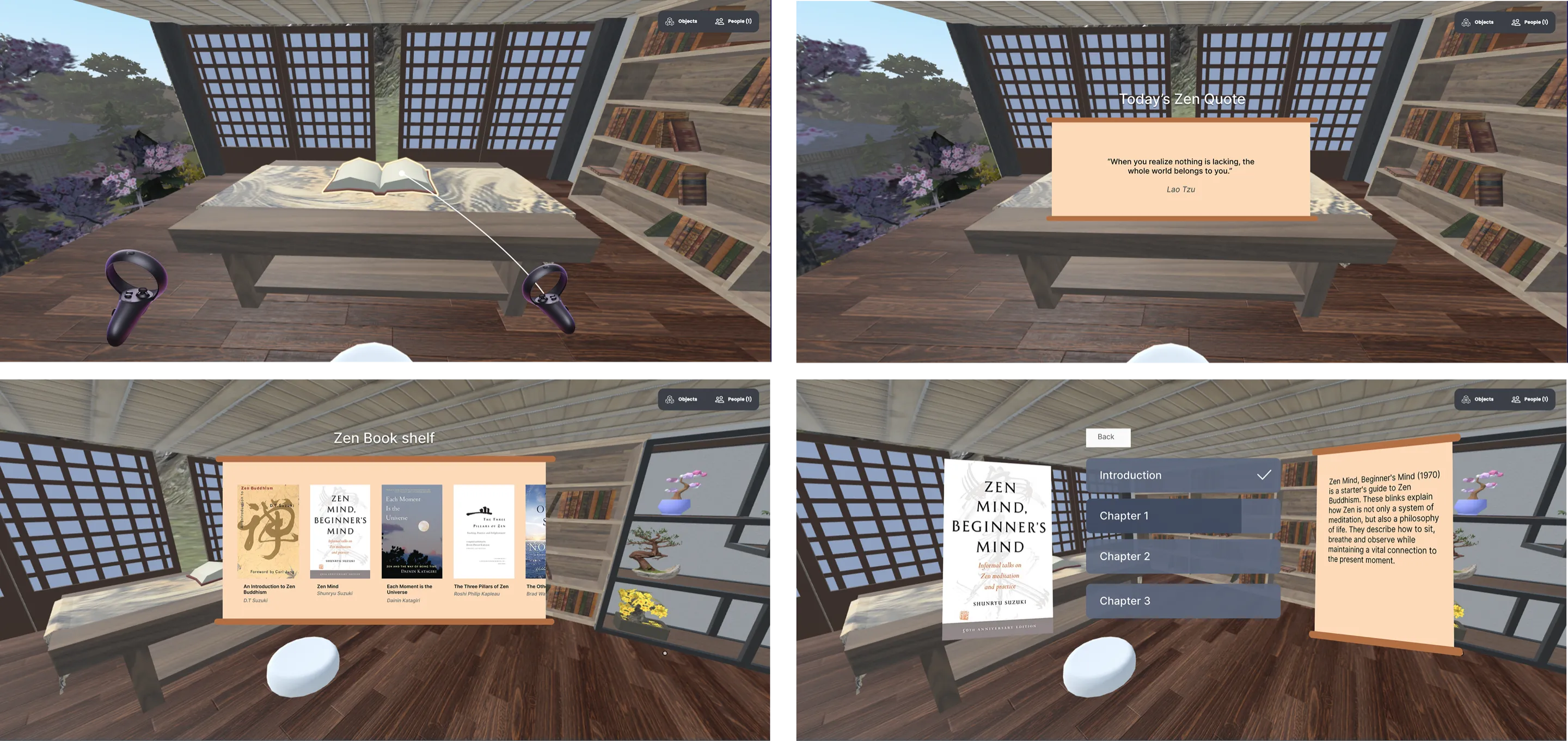
The library offers a variety of meditation books and daily Zen quotes, supported by audio playback.
Backpack
This concept motivates users to collect different items through continuous learning and unlock novel interactive experiences. Users are encouraged to explore the scenery of Zen Valley and use the props in the backpack to help them chill and relax.
Backpack: interaction mechanism
Users can collect three types of props to put in the backpack. The first type is consumable props, such as seeds. After the user plants a seed, it is consumed and the count decreases. The second type is decorative props, such as bonsais and shelves, which can be placed anywhere. The third type is interactive props, such as watering cans, singing bowls, and Kongming lanterns.
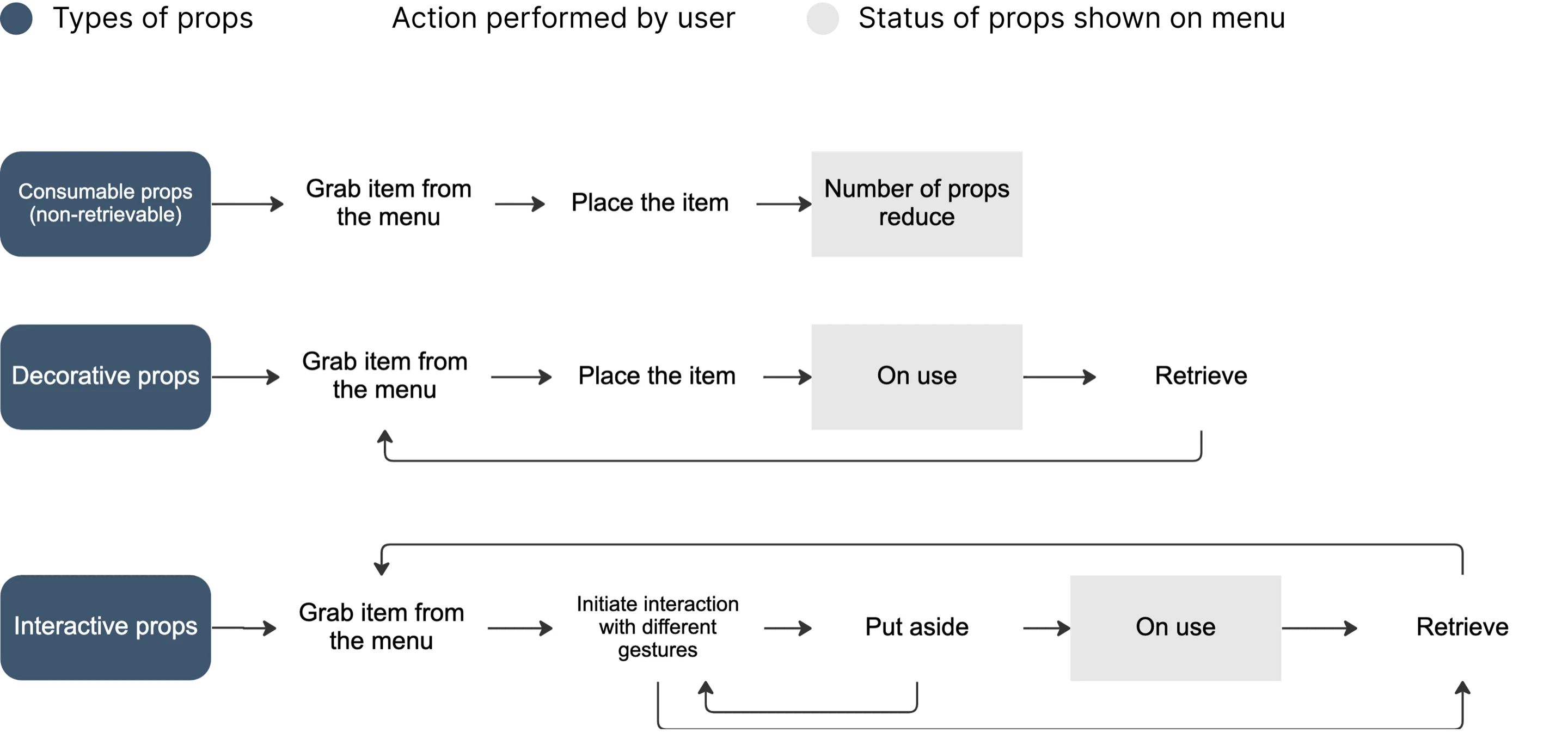
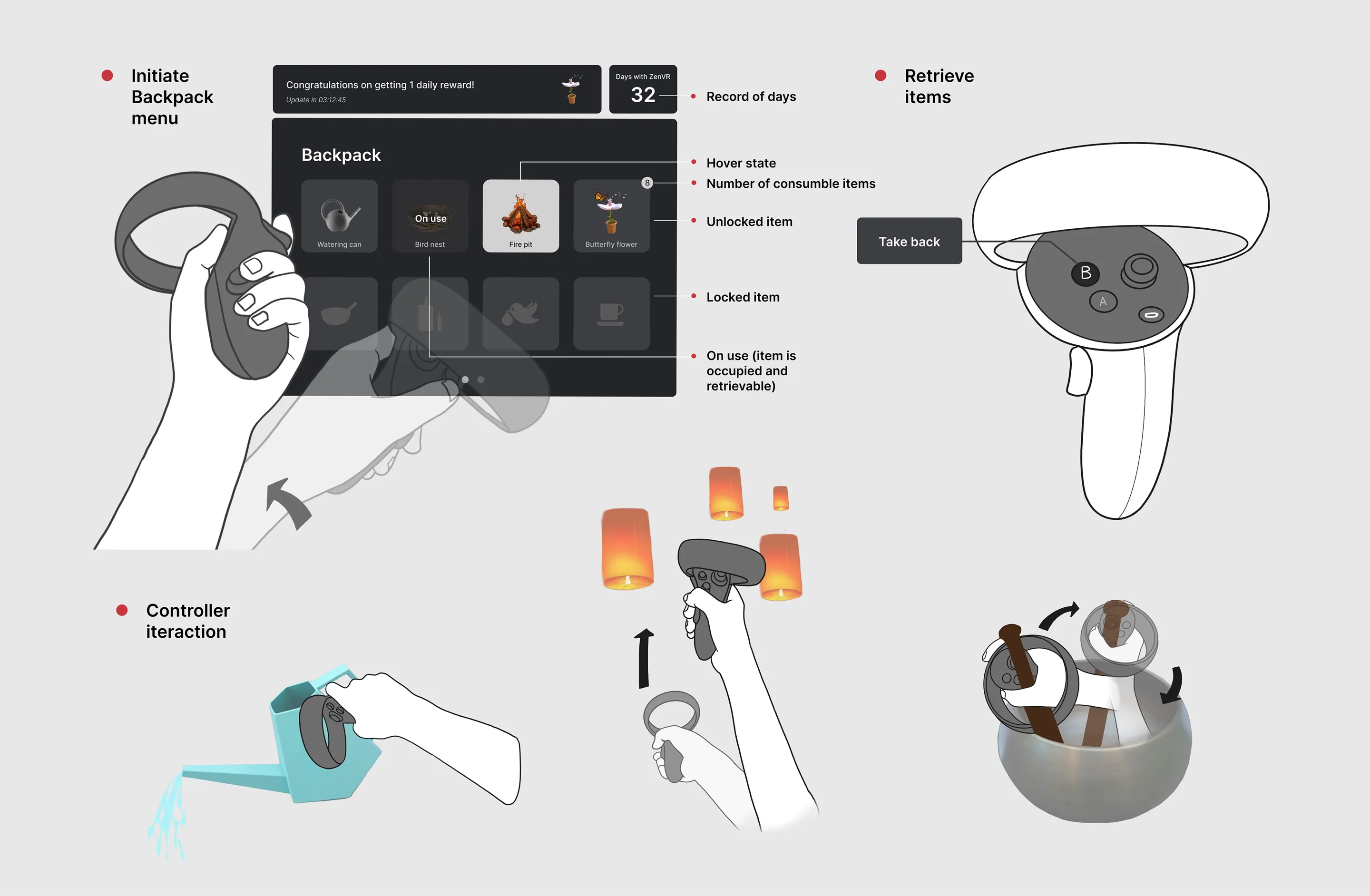
I designed the interfaces of the backpack menu and the interaction rules of the controller. The interaction content was ideated based on discussions with users and stakeholders.
Garden
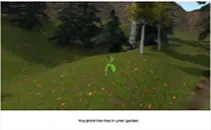
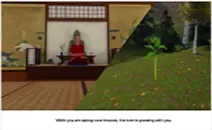
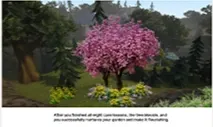
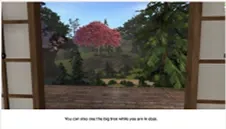
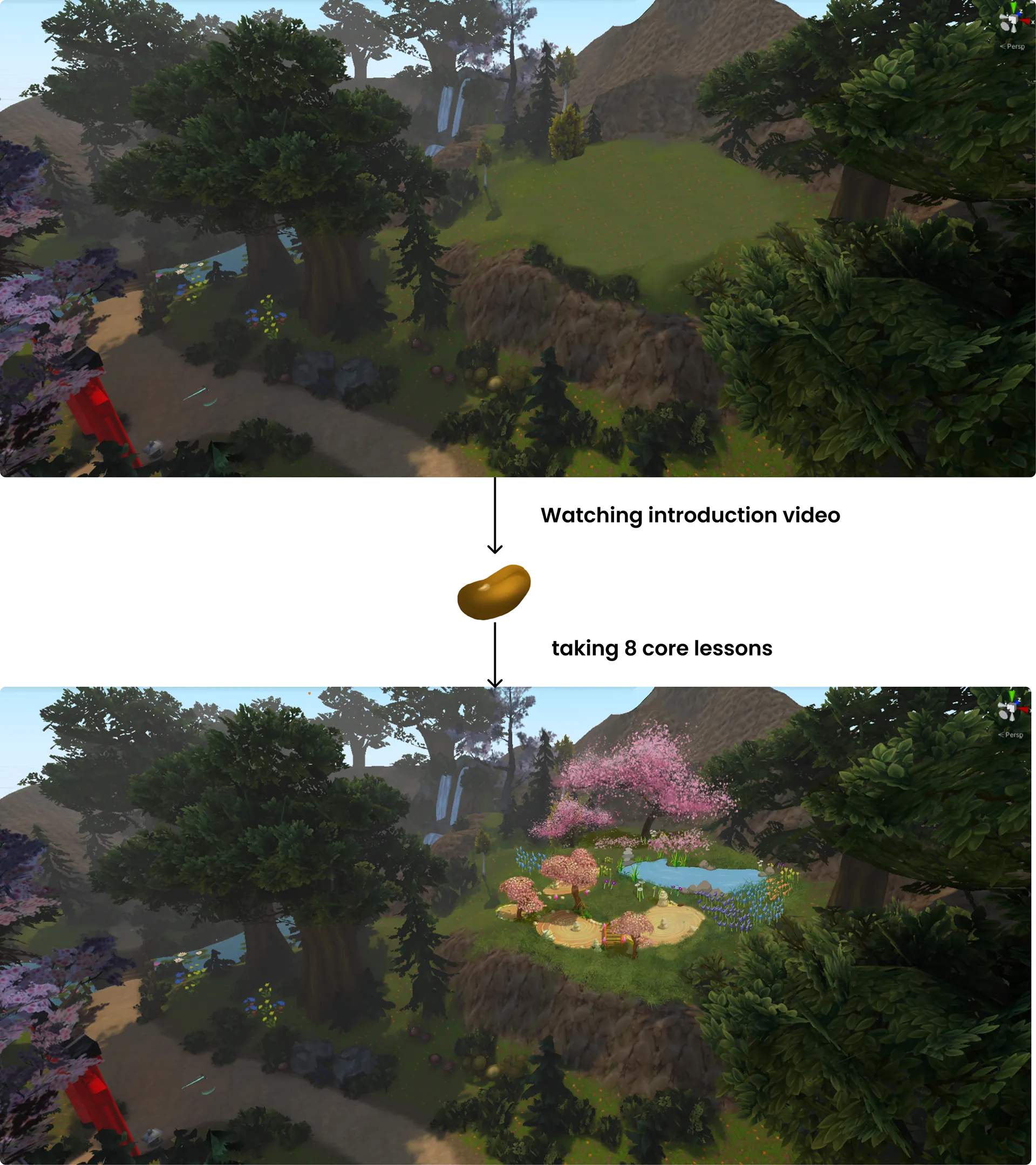
Players get a seed after the introduction and plant it in their land. As players finish the main courses one by one, the plants on the land grow naturally. After completing the last core course, they will have nurtured a prosperous garden.
What I would explore next
Next Step
- Investigate the needs of the “Fixers” further, and evaluate how inclusive the current ZenVR system is for this type of meditator.
- Implement the essential design elements in Unity, to collect user feedback in a more realistic test setting.
- Redesign the onboarding experience and the menus for reaching the Library and Garden, to connect them with the new design.